
Home >

Sisterhood's Role in Mental Health

Sisterhood's Role in Mental Health

The Impact of Sisterhood on Mental Health and Well-being
Morgan Ellingsworth | 2025-12-12

What if the key to unlocking better mental health lay in the bonds of sisterhood? Research suggests that these connections can significantly enhance our well-being. Let’s dive into the essential lessons that highlight the profound impact of sisterhood on mental health.

What You Will Learn

  • Sisterhood, whether through family, sororities, or community, serves as a crucial support system for mental health.
  • Engaging in supportive relationships can lead to reduced anxiety and better coping mechanisms during stressful times.
  • Creating safe spaces for vulnerability fosters deeper emotional connections among sisters.
  • Regular check-ins and shared activities strengthen sisterly bonds and promote overall well-being.
  • Empowerment groups can enhance sisterhood and provide collective support for mental health challenges.
  • Mindfulness and self-care practices can enrich sisterly relationships and contribute to a supportive environment.
  • Long-lasting sisterly connections yield emotional stability and a reliable support network throughout life’s changes.

The Pillars of Sisterhood's Impact on Mental Health

Sisterhood, whether familial, sororal, or communal, profoundly supports mental well-being. This visual highlights the key aspects of how these connections foster resilience and positive mental health outcomes.

Types of Sisterhood

  • Familial Bonds: Foundational support
  • Sorority Connections: Empowerment & shared experiences
  • Community Sisterhood: Mutual support & shared interests

Impact on Well-being

  • Reduced anxiety & depression
  • Improved self-esteem & self-worth
  • Stronger coping mechanisms

Emotional Support Benefits

  • Reduces loneliness
  • Inspires passions & goals
  • Creates safe spaces for vulnerability

Strategies for Stronger Bonds

  • Regular check-ins
  • Shared activities
  • Encourage vulnerability
  • Celebrate each other

The Connection Between Sisterhood and Mental Health

As I reflect on my own journey with sisterhood through iSorority, I can’t help but think about the profound connection between sisterhood and mental health. Sisterhood comes in many forms, whether through family ties, sorority affiliations, or community bonds. Each form of sisterhood plays a critical role in supporting mental health, helping us navigate life’s ups and downs together.

Understanding these connections can truly enhance our appreciation for the relationships we nurture. Have you ever felt uplifted just by being around your sisters? It’s fascinating to explore how these connections can impact our overall well-being.

Understanding Sisterhood: Definitions and Context

Sisterhood can be defined in several ways, but at its core, it represents a network of support that transcends mere friendship. This includes:

  • Familial Bonds: Relationships with female family members that provide foundational support.
  • Sorority Connections: The unique ties formed through membership in Greek life, promoting empowerment and shared experiences.
  • Community Sisterhood: Bonds created through shared interests and mutual support within broader community groups.

Each of these forms contributes to a strong foundation for mental health. When we foster these connections, we’re not just building relationships; we’re creating a support system that can help us thrive in challenging times.

Research Insights on Sisterhood and Mental Well-being

Numerous studies have highlighted the positive impact of sisterhood on mental well-being, particularly among adolescents. For instance, a BYU study found that sisters may provide their siblings with better mental health. Research has shown that girls who engage in supportive relationships with peers experience:

  • Reduced anxiety and depression levels.
  • Improved self-esteem and self-worth.
  • Stronger coping mechanisms during stressful times.

These findings emphasize the importance of cultivating sisterly bonds. The supportive nature of these relationships often serves as a buffer against mental health challenges, allowing individuals to navigate life’s complexities with greater ease. Additionally, the Foundation for Fraternal Excellence notes the importance of mental health initiatives within sororities, highlighting the protective role these communities play.

The Role of Emotional Support in Enhancing Psychological Resilience

Emotional support is a cornerstone of sisterhood, playing a pivotal role in enhancing psychological resilience. When we have sisters to lean on, we are better equipped to handle life’s curveballs. This support fosters a sense of belonging, which is essential for our mental wellness.
  • Having someone to share your thoughts and feelings with can significantly reduce feelings of loneliness.
  • Encouragement from sisters can inspire us to pursue our passions and goals.
  • Sisterhood can create safe spaces for vulnerability, allowing us to express ourselves freely without fear of judgment.
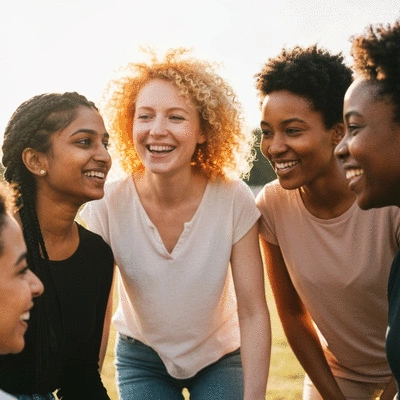
Diverse group of women in a supportive sisterhood circle, smiling and engaging in conversation, natural lighting, no text, no words, no typography, 8K

As we build these emotional connections, we strengthen our overall resilience. It’s truly remarkable how sisterhood can help us bounce back from challenges, reminding us that we’re never alone on our journey.

Protective Effects of Sisterhood on Mental Health

Strong sisterly bonds can have protective effects on mental health by alleviating feelings of isolation and fostering emotional resilience. So, let’s dive deeper into how these connections can serve as a haven for our mental well-being!

Pro Tip

To enhance your sisterhood experience, consider creating a "Sisterhood Journal." This can be a shared notebook or digital document where you and your sisters can write down positive affirmations, memories, or support messages for each other. This practice not only strengthens your bond but also serves as a source of encouragement during challenging times.

Practical Applications: Building Healthy Sisterhoods for Mental Health

Building and nurturing sisterhoods can have a profound impact on our mental health. As someone who has experienced the ups and downs of sisterhood through my journey in Greek life, I can attest to the power these connections hold. Let's explore some practical strategies to cultivate supportive sisterly relationships that enhance well-being.

Strategies to Cultivate Supportive Sisterly Relationships

Creating a strong bond with your sisters doesn’t have to be complicated! Here are some actionable tips to foster connections that uplift and support:

  • Regular Check-Ins: Make it a point to reach out and check in with your sisters regularly. A simple text or a phone call can brighten someone’s day!
  • Shared Activities: Engage in activities you all love, whether it’s a game night, volunteering, or just hanging out over coffee. These moments build memories and strengthen ties.
  • Encourage Vulnerability: Create a safe space for open discussions where everyone feels comfortable sharing their thoughts and feelings. This openness fosters deeper connections.
  • Celebrate Each Other: Don’t forget to celebrate milestones together, be it personal achievements or sorority events. Recognition builds confidence and community!

By intentionally incorporating these strategies into our lives, we can cultivate sisterhoods that not only support mental health but also create lasting memories.

Tools and Resources for Strengthening Sisterhood Bonds

In today's digital age, we have an array of tools at our fingertips to help us connect with our sisters and communities! Here are a few resources that I find particularly helpful:

  • Group Chat Apps: Platforms like WhatsApp or GroupMe make it easy to stay connected, share updates, and coordinate gatherings.
  • Virtual Workshops: Look for online workshops focused on personal growth and sisterhood bonding. These can be fun, educational, and a great way to connect!
  • Social Media Groups: Join Facebook groups or Instagram communities centered around sorority life. Engaging with these platforms can keep the sisterhood spirit alive.
  • Books and Podcasts: Explore materials that discuss sisterhood, mental health, and personal empowerment. Sharing insights from these resources can spark meaningful discussions!

Utilizing these tools can strengthen your connections and enhance your overall mental well-being as a sister.

Empowerment Groups: Fostering Collective Healing

Empowerment groups play a pivotal role in enhancing sisterhood and supporting mental health challenges. These groups create a space for women to come together, share experiences, and uplift one another. Here’s how they can make a difference:

  • Shared Experiences: Hearing others’ stories can provide comfort and validation. It’s reassuring to know you’re not alone in your struggles!
  • Collective Problem Solving: When faced with challenges, sisterhood groups can brainstorm solutions, providing support and different perspectives.
  • Accountability: Being part of a group encourages members to stay committed to their goals and mental well-being. You inspire each other to keep moving forward!
  • Workshops and Activities: Many groups host activities that focus on self-care, mindfulness, and personal development, enriching the sisterhood experience.

These empowerment groups are vital in fostering a community where healing and growth thrive, ultimately enhancing our mental health.

Reflecting on the Lifelong Impact of Sisterhood

Sisterhood isn’t just a phase; it’s a lifelong journey that shapes our mental health across various stages of life. I’ve seen it firsthand through my own experiences and those of my sisters. Let’s take a moment to reflect on this profound impact!

Longitudinal Benefits of Strong Sisterly Connections

Research shows that maintaining strong sisterly connections can lead to numerous benefits throughout different life stages. Here are a few key points to consider:

  • Emotional Stability: Sisters can provide long-term emotional support during stressful life changes, from college to career transitions.
  • Identity Formation: Bonding with sisters helps shape our identities and self-esteem, crucial for personal development.
  • Support Networks: As we navigate life’s ups and downs, these connections offer a reliable network to lean on. For women, in particular, access to robust mental health care is crucial, and sisterhood often forms a significant part of this support system.
  • Health Benefits: Strong sisterhoods have been linked to better mental and physical health outcomes, emphasizing the importance of these relationships.
Two diverse women embracing and comforting each other, conveying strong emotional support and sisterhood, soft lighting, no text, no words, no typography, 8K

These longitudinal benefits remind us of the value of nurturing our sisterly bonds for our mental health and overall well-being.

Encouraging Conversations Around Sisterhood and Mental Well-being

It’s crucial to engage in open conversations about how sisterhood impacts our mental health. Sharing experiences can lead to deeper understanding and connection.

  • Storytelling: Encourage sisters to share their personal narratives, showcasing the strengths and challenges they’ve faced.
  • Workshops: Host events focused on discussing mental health and sisterhood, creating a safe space for dialogue.
  • Online Forums: Utilize social media to facilitate discussions that promote awareness and support within the sisterhood community.
  • Open-Ended Questions: Foster curiosity by asking questions that prompt reflection and engagement, such as “What does sisterhood mean to you?”

By encouraging these conversations, we can cultivate a culture of openness and understanding that benefits our mental health.

Mindfulness and Self-Care in Sisterhood Relationships

Mindfulness and self-care are essential practices that can greatly enhance our sisterly relationships. Here’s how we can integrate them into our connections:

  • Mindful Moments: Take time to practice mindfulness together, whether through meditation, yoga, or simply enjoying nature.
  • Self-Care Routines: Share your self-care routines with each other and hold one another accountable for prioritizing your well-being.
  • Active Listening: Practice active listening when your sisters share their thoughts. This fosters understanding and strengthens bonds.
  • Encourage Breaks: Remind each other to take breaks when needed, allowing for personal reflection and rejuvenation.

Incorporating mindfulness and self-care into our sisterhood not only nurtures our relationships but also cultivates an environment of support and love.

Call to Action: Foster Your Sisterhood Today

As we conclude this section, I encourage you to take steps toward building and nurturing your sisterly relationships. Whether it’s a simple message to check in or organizing a group activity, every effort counts! Remember, your sisterhood could be the key to enhancing your mental health and overall well-being. What will you do today to foster that connection? Let’s empower one another and celebrate the beautiful journey of sisterhood!

Frequently Asked Questions About Sisterhood and Mental Health

What are the different types of sisterhood mentioned in the article?

The article discusses three main types of sisterhood: familial bonds (relationships with female family members), sorority connections (ties formed through Greek life), and community sisterhood (bonds created through shared interests in broader groups).

How does sisterhood impact mental well-being?

Sisterhood positively impacts mental well-being by reducing anxiety and depression, improving self-esteem and self-worth, and strengthening coping mechanisms during stressful times. It also fosters a sense of belonging and reduces loneliness.

What is the role of emotional support in sisterhood?

Emotional support is crucial in sisterhood for enhancing psychological resilience. It provides a buffer against mental health challenges, helps individuals feel less alone, inspires passions and goals, and creates safe spaces for vulnerability.

What are some practical strategies for building supportive sisterly relationships?

Practical strategies include regular check-ins, engaging in shared activities, encouraging vulnerability, and celebrating each other's milestones. These actions help to strengthen bonds and create lasting memories.

How can empowerment groups contribute to mental health in sisterhood?

Empowerment groups foster collective healing by providing shared experiences, enabling collective problem-solving, encouraging accountability, and hosting workshops focused on self-care and personal development. They create a supportive community where growth thrives.

What are the long-term benefits of strong sisterly connections?

Long-term benefits include emotional stability during life changes, assistance in identity formation, establishment of reliable support networks, and improved overall mental and physical health outcomes.

Why is it important to have conversations about sisterhood and mental well-being?

Open conversations promote deeper understanding and connection, allow for sharing personal narratives, create safe spaces for dialogue through workshops and online forums, and cultivate a culture of openness and support that benefits mental health.

How do mindfulness and self-care enhance sisterhood relationships?

Integrating mindfulness and self-care practices into sisterhood relationships, such as practicing mindful moments together, sharing self-care routines, active listening, and encouraging breaks, nurtures relationships and creates an environment of support and love.

Recap of Key Points

Here is a quick recap of the important points discussed in the article:

  • Understanding Sisterhood: Sisterhood encompasses familial bonds, sorority connections, and community ties that collectively support mental health.
  • Research Insights: Supportive relationships among sisters can reduce anxiety and depression while improving self-esteem.
  • Emotional Support: Having sisters to lean on enhances psychological resilience and fosters a sense of belonging.
  • Practical Strategies: Regular check-ins, shared activities, and celebrating milestones are effective ways to nurture sisterly relationships.
  • Tools for Connection: Utilize group chat apps, virtual workshops, and social media to stay connected and strengthen bonds.
  • Encourage Conversations: Open dialogues about sisterhood and mental well-being can foster understanding and support within the community.
  • Mindfulness and Self-Care: Incorporating mindfulness practices and self-care routines can enrich sisterly relationships and promote overall well-being.
Subscribe & Share

About iSorority

iSorority is a modern digital community dedicated to celebrating and connecting sorority life across the nation. We empower women through connection and education, sharing inspiring stories that highlight the transformative power of sisterhood.